
ClickCease
Benefits of Spinal Decompression Belt

Benefits of Spinal Decompression Belt

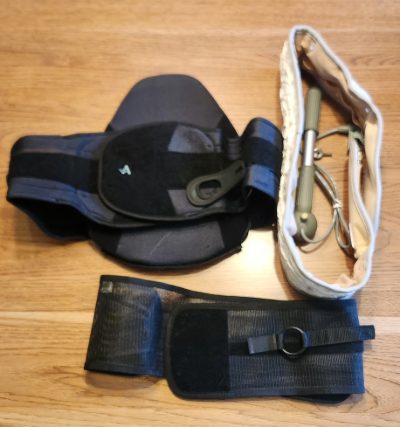
The relief method is grounded in the principles of non-surgical spinal decompression therapy. It involves gently stretching the spine, which helps reduce pain. This approach may be especially helpful for individuals with long-term back problems.  Spinal Lumbar decompression belts are easy to wear under clothing due to their light and portable design, making them a practical option for daily wear.

Benefits of Using a Lumbar Decompression Belt

Living with back pain can be debilitating. It can limit your mobility, affect your mood, and significantly reduce your quality of life.

Consider the lumbar decompression belt. This device is designed to relieve back pain and offer essential support to your lower back.

But what exactly is a lumbar decompression belt? How does it work? And most importantly, can it really help you manage your back pain?

This article aims to answer these questions. We’ll delve into the science behind decompression therapy, explore the benefits of using a lumbar decompression belt, and provide insights from real users who have experienced relief from their back pain.

Whether you’re considering non-invasive treatment options for back issues, recovering from lumbar surgery, or simply seeking to improve your overall back health, this guide is for you. Let’s explore the benefits of using a lumbar decompression belt.

Understanding Lumbar Decompression Belts

A lumbar decompression belt is a specialized device designed to support the lower back. It provides gentle traction to decompress the spine.

By creating space between vertebrae, it helps to relieve pressure on spinal discs. This can effectively reduce pain associated with conditions like herniated discs and sciatica.
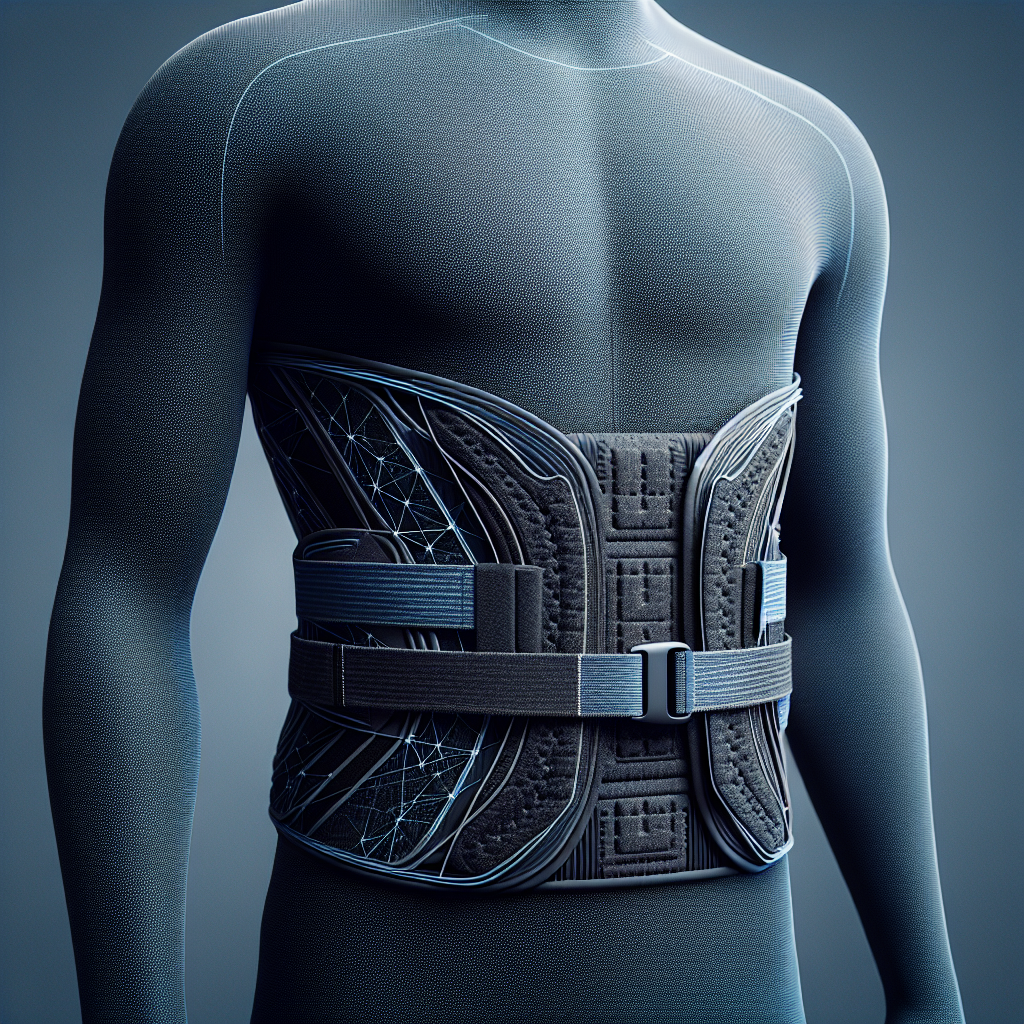
Unlike standard back braces, these belts offer a unique way to manage back pain. They do so without restricting movement significantly. Some belts even feature additional elements like heating or cooling options for extra comfort.

With their lightweight, portable design, lumbar decompression belts can be worn discreetly under clothing. This makes them a convenient choice for everyday use.


How Lumbar Belts Provide Pain Relief

Lumbar decompression belts relieve pain through a simple yet effective process. They apply gentle upward pressure to the lower back. This increases the space between spinal discs, reducing tension.

The relief process is based on decompression therapy principles. , it gently stretches the spine, alleviating pain. This method can be particularly beneficial for people with chronic back issues.

The benefits of using a lumbar decompression belt include:

Image showing a person applying a lumbar decompression beltby Keith Johnston (https://unsplash.com/@acfb5071)

An advantage of these belts is their ability to provide support while allowing mobility. Users can continue their daily activities without feeling restricted. Additionally, regular use can potentially decrease reliance on pain medication. This makes it an attractive option for those seeking a more natural approach to pain management.

The Science Behind Decompression Therapy decompression therapy focuses on creating space between spinal discs. By gently stretching the spine, pressure on nerves and discs is minimized. This approach can promote blood flow, assisting the body’s natural healing process.

Utilizing a lumbar decompression belt at home mirrors professional therapy methods. The belt creates a consistent and controlled decompression. Over time, this can

Scientific studies support the effectiveness of this method. Many report reduced back pain and improved mobility. Lumbar decompression belts offer a convenient way to benefit from these insights.

Conditions That Benefit from Lumbar Decompression Belts

A range of back conditions can improve with lumbar  spinal decompression belt use. These belts offer relief by reducing spinal pressure. They are particularly helpful for those with chronic issues.

Here’s a list of conditions that may benefit:

Each condition has its own unique challenges. By providing a targeted decompression, these belts can support healing. They help maintain proper spinal alignment, which in turn minimizes pain. Using a belt can offer individuals a non-invasive option for managing their symptoms efficiently.

Comparing Lumbar Decompression Belts and Traditional Back Braces

Lumbar decompression belts and traditional back braces serve distinct purposes. While both offer support, they differ in function. Decompression belts focus on reducing spinal pressure. They use air pockets or mechanical supports to achieve this goal. This can alleviate tension around the vertebrae, offering targeted relief.

In contrast, traditional back braces provide stabilization. They primarily restrict movement to prevent further injury. Traditional braces are useful for acute injuries or post-surgery restrictions. However, they may not address underlying pressure. Understanding these differences is key. Choosing the right option depends on your specific needs and back condition.

User Reviews: Real-life Success Stories

Real-life experiences with lumbar decompression belts are often inspiring. Many users report significant relief from persistent back pain. Individuals suffering from conditions like sciatica and herniated discs have shared their success stories. They praise the belts for their ability to enhance mobility and daily comfort.

Testimonials highlight the ease of integration into daily routines. Busy professionals and seniors appreciate the belt’s adaptability. For some, the belt has reduced the need for pain medication. Positive reviews underscore the belt’s role in improving quality of life. These personal stories can guide new users. They provide insight into the real-world benefits of using a lumbar decompression belt.

The Non-Invasive Advantage of Decompression Belts

Lumbar Spinal decompression belts offer a non-invasive solution for back pain relief. Unlike surgeries that require recovery time and involve risks, these belts are safe and easy to use. They allow individuals to manage pain without undergoing complex procedures.

Using a lumbar decompression belt promotes healing and comfort. It gently relieves pressure on spinal discs and muscles. Many find this a welcome alternative to medication with potential side effects. For those seeking effective relief without surgery or drugs, decompression belts provide a practical and accessible option. They fit seamlessly into various lifestyles, offering support and flexibility.

Ease of Use and Convenience for Everyday Activities

A lumbar decompression belt is incredibly user-friendly. It requires minimal effort to put on and adjust. This makes it ideal for busy lifestyles or those seeking simple solutions. Users can incorporate it into daily routines without any disruption.

The belt is also portable and lightweight, making it suitable for use at home or work. Many people wear it during various activities, like commuting or exercising. Its design provides comfort and support, all while being discreet under clothing, enhancing its convenience further.

Selecting the Right Belt for You

Choosing the ideal lumbar spinal decompression belt is essential for optimal results and comfort. It’s crucial to consider factors such as size, material, and additional features. A well-fitted belt ensures maximum support and reduces the risk of further injury.

Evaluate whether you need extras like heating or cooling elements for added relief. Always check lumbar decompression belt reviews to learn from other users’ experiences. Consulting with a healthcare professional can help tailor your choice to your specific needs. With the right belt, you can enhance your journey to improved back health and mobility.


Conclusion: Integrating a Lumbar Decompression Belt into Your Life

Incorporating a lumbar decompression belt into your daily routine offers a blend of relief and prevention. This tool is easy to use and non-invasive, making it a practical choice for many. By choosing the right belt, you can manage back pain effectively and support spinal health.

However, it’s important to complement belt use with other healthy habits. Engage in regular physical activity and maintain ergonomic postures at work or home. Consider the decompression belt as one part of a holistic approach to back care. With consistency and the right choices, you can enhance your quality of life significantly.

Pros and Cons of Spinal Decompression Therapy

Pros and Cons of Spinal Decompression Therapy

Back pain can be debilitating. It can limit your mobility and affect your quality of life. Spinal decompression therapy is a non-surgical treatment option that has gained popularity. It’s used to alleviate back pain and improve spinal health. However, as with any treatment, there are both advantages and disadvantages. This article aims to provide a balanced view of spinal decompression therapy. We’ll delve into its benefits, potential downsides, and who might be the ideal candidates for this treatment.  If you are thinking about spinal decompression therapy in Mill Creek or other places, this guide will help you decide.

Understanding Spinal Decompression Therapy

Spinal decompression therapy is a non-surgical procedure. It aims to relieve pressure on spinal discs through gentle stretching. Spinal decompression therapy helps treat problems that cause pain in the spine. This includes bulging or herniated discs, pinched nerves, sciatica, and injured nerve roots. It also helps with conditions like spinal stenosis. This is when the spinal canal gets narrow, causing pressure on the nerves. It can also help with both chronic and acute back pain. Additionally, this therapy can help with other issues like spondylolisthesis, facet joint impingement, and osteoarthritis. It can help improve blood flow and nutrient exchange to the spine.

Doctor Consulting the Patient

What is Spinal Decompression Therapy?

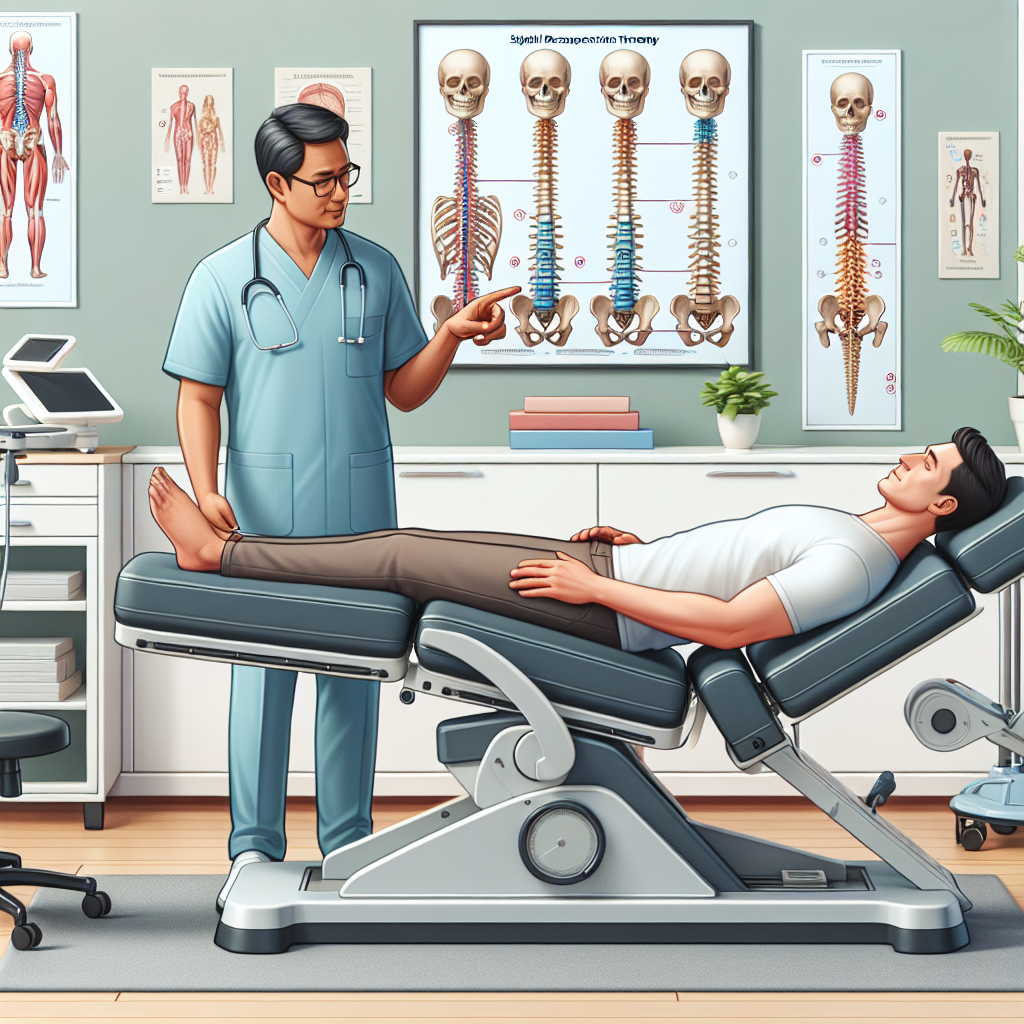
Spinal decompression therapy involves the use of a motorized table. The table stretches your spine in a controlled manner. This creates negative pressure within the discs, promoting healing. It’s a popular choice for those seeking alternatives to surgery.

How Does Spinal Decompression Work?

Spinal decompression works by creating space between vertebrae. The gentle stretching relieves pressure on compressed discs and nerves. This process can lead to pain relief and increased mobility over time. Each session typically lasts about 15 to 30 minutes.

The Benefits of Spinal Decompression

Spinal decompression therapy offers numerous advantages. It’s praised for providing relief from chronic pain. Here are some of its key benefits:

  • Pain relief and improved mobility.
  • Non-surgical, drug-free alternative.
  • Potential to delay or avoid surgery.
  • May help with chronic spinal conditions


Happy patient experiencing relief after spinal decompression therapyby Brooke Cagle (https://unsplash.com/@brookecagle)”

Pain Relief and Increased Mobility

Chronic back pain can severely limit daily activities. Spinal decompression can reduce pain and increase mobility. By relieving pressure on compressed nerves, patients often find they can move more freely. This improved mobility enhances overall quality of life.

Non-Surgical and Drug-Free Approach

Many seek spinal decompression as a non-surgical option. It offers a drug-free method to address back pain. Without surgery, the risks associated with invasive procedures are avoided. Patients can often return to normal activities more quickly.

Potential to Avoid Surgery

Avoiding surgery is a significant advantage for many. Surgery involves risks and a lengthy recovery process. Spinal decompression therapy can delay or eliminate the need for surgery. For some, this can be a life-changing outcome, allowing them to return to their usual routines.

The Downsides of Spinal Decompression

While spinal decompression offers many benefits, there are also some downsides to consider. It’s important to be aware of these before starting therapy.

Concerned patient discussing spinal decompression therapy with a healthcare providerby Luis Melendez (https://unsplash.com/@lcma1028)”

Potential Risks and Contraindications

Spinal decompression therapy may not be suitable for everyone. Certain conditions can increase the risk of adverse effects. Individuals with fractures, tumors, or advanced osteoporosis should avoid this treatment. Consulting with a healthcare professional is essential to rule out any contraindications.

Cost and Insurance Considerations

The cost of spinal decompression therapy can be a significant concern for many individuals. Most insurance plans typically do not cover this therapy, resulting in it being primarily an out-of-pocket expense. It is essential to verify with your insurance provider regarding the specific costs involved, as coverage can vary widely. Understanding these financial implications is crucial when considering spinal decompression therapy.

Limitations and Effectiveness

Spinal decompression is not a cure-all for back pain. It may not be effective for every individual. Success can depend on the specific condition and the patient’s response to therapy. Understanding these limitations is vital when considering treatment options.

Who Should Consider Spinal Decompression Therapy?

Spinal decompression can be a valuable option for many dealing with chronic pain. However, not all individuals are suitable candidates. Understanding who might benefit the most from this therapy is crucial. Similarly, knowing who should avoid it is equally important.

Healthcare professional reviewing spinal MRI with patientby Andrew Neel (https://unsplash.com/@andrewtneel)”

Ideal Candidates for Spinal Decompression

Individuals with conditions like herniated discs, sciatica, or degenerative disc disease may find relief through spinal decompression. Those experiencing back pain that hasn’t responded to traditional treatments might also consider this option. Talking to a healthcare specialist can help find out if therapy is right for you.

Who Should Avoid It?

Some individuals should avoid spinal decompression therapy altogether. This includes those with specific health conditions. Patients with spinal instability or severe osteoporosis may face risks with this approach. It is important to consult a healthcare provider to assess any contraindications.


Spinal Decompression Therapy in Mill Creek

Mill Creek offers various options for spinal decompression therapy. Many facilities in the area specialize in non-surgical treatments. Finding a reputable provider is key to a successful therapy experience. Ensure you choose a clinic with qualified practitioners and modern equipment.


Finding the Right Provider Near You

Choosing a provider for spinal decompression therapy near you involves careful research. Look for reviews and testimonials from past patients.  A comprehensive consultation helps to understand their approach and technology used. Ensure that the provider is experienced and certified in spinal decompression therapy.

What to Expect from Treatment

During treatment, you’ll lie on a specially designed table. The goal is to gently stretch the spine.  Sessions typically last between 15 to 30 minutes, and multiple sessions may be necessary. Expect a relaxed and comfortable setting with professional oversight during your therapy.


Patient Experiences and Outcomes

Patient experiences often provide valuable insights into the benefits and drawbacks of spinal decompression therapy. Many individuals report improvements in pain levels and mobility.  However, outcomes can vary from person to person. It’s important to gather a range of feedback to form a balanced view.

Happy patients sharing their stories in a comfortable therapy settingby Senjuti Kundu (https://unsplash.com/@senjuti)”

Testimonials and Reviews

Reading testimonials and reviews from other patients can be enlightening. Many share stories of significant pain relief and increased comfort.  Such firsthand accounts can help you gauge what to expect. Always consider both positive and negative experiences to form a comprehensive picture.

Realistic Expectations and Long-Term Relief

While spinal decompression can be effective, it’s important to have realistic expectations. Not everyone experiences dramatic changes overnight.  Long-term relief is possible, but it often requires commitment to follow-up care and lifestyle adjustments. Patience and consistency can enhance therapy outcomes and improve quality of life.

Conclusion: Weighing Your Options

Deciding whether spinal decompression therapy is right for you involves careful consideration. You need to assess both the pros and cons. Personal experiences and medical advice are essential to making an informed choice.  Exploring multiple options can provide a broader perspective. Balancing different aspects will guide you in finding the best solution for you.

Consulting with a Healthcare Professional

Engage with a qualified healthcare professional to discuss your condition. Their insights can be invaluable in guiding your decision process. They can help tailor a personalized treatment plan. Ensuring you understand the risks, benefits, and expectations is crucial before proceeding with therapy.

If you are in Mill Creek area a quick online search for “Spinal Decompression Therapy Mill Creek” or “Spinal Decompression Therapy Near Me” can get you started.